
magine a world where plants can resist disease on their own, animals are immune to devastating illnesses, and doctors detect diseases before symptoms even show up. With transgenic organisms and molecular diagnostics, we’re already seeing this future in action. Scientists use transgenic technology to create plants and animals with specially chosen traits, making agriculture more sustainable and medicine more precise. In this blog, we'll explore how genetic modification shapes everything from our food to our healthcare. We’ll also dive into molecular approaches for diagnosing diseases and identifying strains, giving doctors and farmers tools to protect health and crops with impressive accuracy.
Transgenic Organisms - Nature’s Makeover
What Are Transgenic Organisms?
Transgenic organisms are living things—plants, animals, or microbes—that have been genetically modified to include a foreign gene with specific traits. This could mean crops that naturally fight off pests or animals that grow faster and stay healthy longer. By splicing in genes from one organism to another, scientists create traits that wouldn’t naturally occur, solving problems in agriculture, medicine, and environmental science.
How Scientists Create Transgenic Organisms
Creating a transgenic organism involves four main steps:
- Selecting a Gene: Scientists find and isolate a gene that has the desired trait, often from another species entirely.
- Inserting the Gene: The gene is placed into the target organism's DNA. Tools like CRISPR or viral vectors are often used to make this happen.
- Testing for Expression: Once inserted, the gene must produce the desired protein or effect to make sure the trait is expressed correctly.
- Breeding for Stability: For plants and animals, breeding generations ensures the new gene holds up over time and in varying environments.
Transgenic Plants – Better Crops, Less Pesticide
Why Modify Plants?
The idea behind genetically modified crops is simple: make them stronger, more nutritious, and easier to grow. From pest resistance to better nutritional content, transgenic plants are changing agriculture in profound ways. Some popular transgenic crops include:
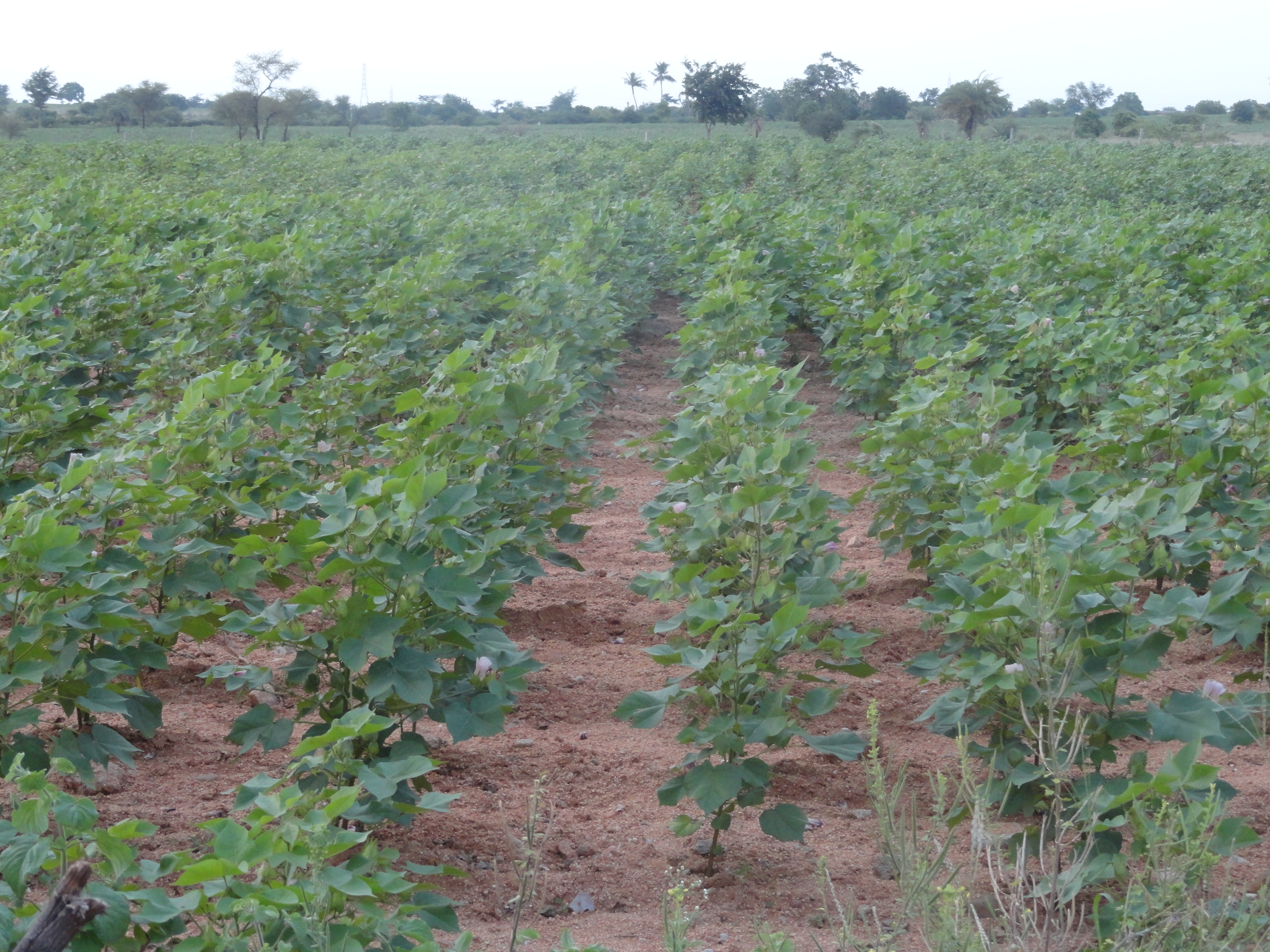
Bt Crops: Corn and cotton that contain a gene from Bacillus thuringiensis (Bt), a bacterium, produce a protein that’s toxic to certain pests, reducing the need for pesticides.
 |
| Attribution: Bhaskaranaidu, CC BY-SA 3.0 <https://creativecommons.org/licenses/by-sa/3.0>, via Wikimedia Commons |
Golden Rice: Engineered to contain beta-carotene, Golden Rice is a valuable food source for regions where people face vitamin A deficiency.
Herbicide-Resistant Plants: Crops like soybeans or canola are modified to survive specific herbicides, making weed control easier without harming the crops.
The Benefits and Concerns
Transgenic crops offer big environmental and economic advantages, like higher yields and fewer pesticides. But they also raise ethical questions, like the risks of gene transfer to other plants and the long-term impacts on ecosystems. Scientists and regulators work together to monitor these effects and ensure these crops are safe for both the environment and consumers.
Transgenic Animals - More Than Just Food
Changing the Animal Kingdom for the Better
Transgenic animals are created to help with everything from disease research to food production. Some can resist illness, others grow faster, and a few even produce medicines in their milk or blood. Here’s a look at the different uses:
Disease-Resistant Animals: Cows resistant to bovine tuberculosis or salmon that grow faster with less food are just two examples of how genetics can make animals healthier and more sustainable.
Bioreactor Animals: Transgenic goats or cows produce therapeutic proteins in their milk. For example, antithrombin, a protein that helps prevent blood clots in humans, is produced in goat milk.
Models for Human Disease: Transgenic mice can carry human genes linked to diseases like cancer or Alzheimer’s, giving researchers tools to test treatments and understand the progression of illnesses.
 |
| Attribution: CSIRO, CC BY 3.0 <https://creativecommons.org/licenses/by/3.0>, via Wikimedia Commons |
Ethical and Practical Considerations
Transgenic animals bring up ethical questions, especially around animal welfare and the potential impact on biodiversity. While these animals offer enormous benefits for medicine and food production, concerns about long-term ecological impacts mean scientists must carefully weigh the pros and cons.
Molecular Diagnostics - Seeing Beyond Symptoms
How Molecular Diagnostics Work
Traditional diagnostic methods like culturing bacteria can be slow and don’t always identify diseases early enough. Today, molecular diagnostics let scientists detect diseases faster and more precisely by focusing on genetic material. These approaches include:
Polymerase Chain Reaction (PCR): PCR is like a DNA photocopier. It amplifies tiny amounts of DNA to detect pathogens quickly. During COVID-19, PCR tests became widely used and familiar to most of us.
Next-Generation Sequencing (NGS): With NGS, scientists can read an organism’s entire genome at once. This is incredibly useful for identifying new or mutating viruses, tracking outbreaks, and tailoring treatments to specific genetic profiles.
CRISPR-Based Diagnostics: Originally developed for gene editing, CRISPR can now pinpoint viruses and bacteria with precision. Techniques like SHERLOCK (Specific High-sensitivity Enzymatic Reporter unLOCKing) have made diagnostics quicker and more accessible.
Applications Across Health and Veterinary Fields
Disease Detection: From HIV to influenza, molecular diagnostics make it possible to detect infections faster, even before symptoms appear.
Cancer Genotyping: By identifying specific gene mutations, these tools help doctors tailor cancer treatments to the patient, increasing the chances of a successful outcome.
Veterinary Diagnostics: Early detection of diseases in animals helps farmers and veterinarians prevent outbreaks and keep livestock healthy, improving productivity and animal welfare.
Strain Identification - The DNA Signature of Pathogens
Why Identifying Strains Matters
Different strains of a virus or bacterium can behave very differently. Some are more infectious, others may cause more severe symptoms, and certain strains may resist treatments. Knowing which strain you’re dealing with helps doctors and scientists respond appropriately, develop vaccines, and create targeted treatments.
Molecular Tools for Strain Identification
Restriction Fragment Length Polymorphism (RFLP): By cutting DNA into unique fragments, RFLP allows scientists to differentiate strains based on genetic patterns.
 |
| Attribution: Kenneth.jh.han, CC BY-SA 3.0 <https://creativecommons.org/licenses/by-sa/3.0>, via Wikimedia Commons |
- Whole Genome Sequencing (WGS): WGS reads every base of an organism’s genome, allowing scientists to track the spread and evolution of pathogens with unmatched detail.
 |
| Attribution- w:Centers for Disease Control and Prevention, Public domain, via Wikimedia Commons |
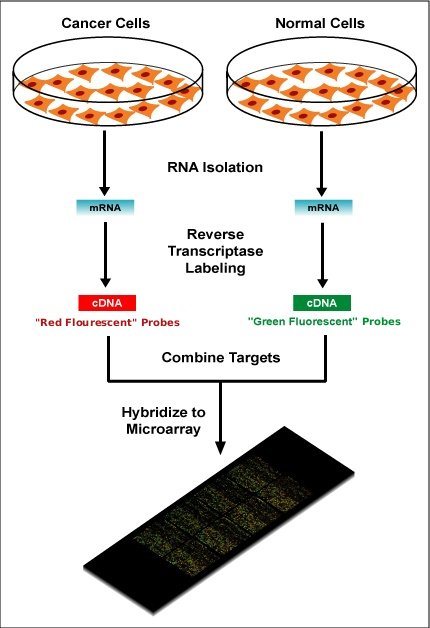
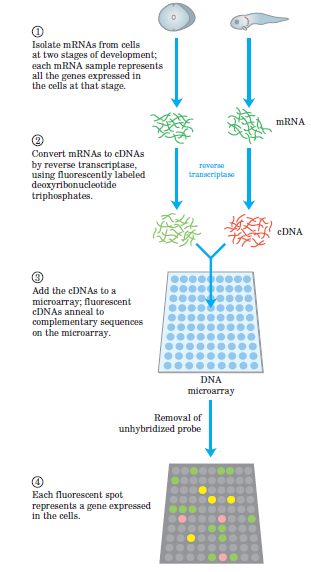
Microarrays: Microarrays detect genetic variations between strains in a single analysis, making them ideal for quickly spotting differences in gene expression.
 |
| Attribution: Squidonius, Public domain, via Wikimedia Commons |
 |
| Attribution- Larssono, Public domain, via Wikimedia Commons |
 |
| Attribution: نلسون_کاکس, CC BY-SA 4.0 <https://creativecommons.org/licenses/by-sa/4.0>, via Wikimedia Commons |
Impact on Public Health and Agriculture
Strain identification has been transformative for tracking and managing disease outbreaks. In agriculture, it helps researchers develop crops that resist specific pathogens, reducing the need for chemical treatments and protecting food supplies.
Looking Ahead - The Future of Transgenics and Diagnostics
Personalized Medicine and Sustainable Agriculture
With advances in gene editing and molecular diagnostics, personalized medicine is quickly becoming a reality. By matching treatments to an individual’s genetic profile, doctors can maximize efficacy and minimize side effects. In agriculture, precision breeding could help produce crops and animals that thrive with fewer resources, benefiting food security and sustainability.
Artificial Intelligence in Genetics and Diagnostics
Artificial intelligence (AI) is supercharging transgenics and diagnostics by helping scientists analyze vast genetic datasets, predict gene interactions, and identify potential health risks before they become severe. AI applications in these fields improve accuracy, speed up research, and make these tools more accessible.
Ethical, Environmental, and Regulatory Challenges
As transgenics and diagnostics continue to evolve, ethical and regulatory considerations remain essential. Responsible use, transparency, and environmental impact assessments ensure that these powerful technologies can benefit society without unintended consequences.
Conclusion: A World Shaped by Genetic Discovery
Transgenic organisms and molecular diagnostics are ushering in a new era where agriculture, medicine, and environmental health are more interconnected than ever. We’re entering a future where food is resilient, healthcare is personalized, and environmental sustainability is enhanced through science. Transgenics and diagnostics are already shaping our lives in ways we might not realize, and as technology advances, the possibilities will only grow. By approaching these tools with innovation and responsibility, we can continue to unlock their full potential—creating a safer, healthier, and more sustainable world for all.