
Microbes may be small, but their impact on our lives is massive. These tiny organisms work behind the scenes, turning raw materials into everything from delicious foods to life-saving medicines. Microbes are nature’s best chemists, using microbial fermentation to create molecules that fuel industries, improve health, and drive innovations worldwide.
Let’s look at how these little powerhouses transform basic ingredients into valuable products. From producing small molecules, like vitamins and antibiotics, to creating complex structures like bioplastics, microbes pave the way for a sustainable future in countless fields. Dive in to explore how microbial fermentation works and why it’s revolutionizing modern science and industry.
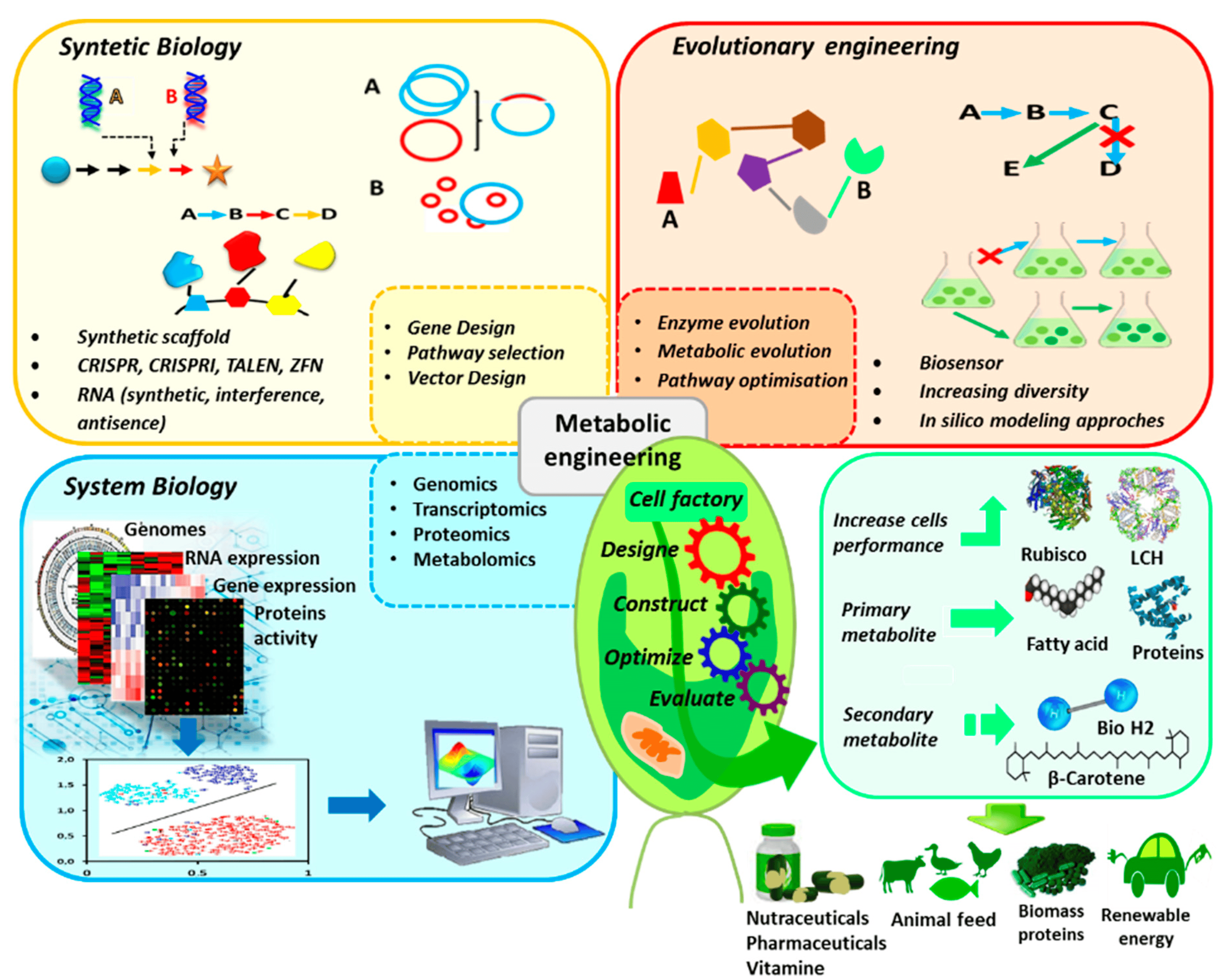 |
| Attribution: Grama, Samir B., Zhiyuan Liu, and Jian Li, CC BY 4.0 <https://creativecommons.org/licenses/by/4.0>, via Wikimedia Commons |
Understanding Microbial Fermentation: A Natural Process with Big Potential
At its core, microbial fermentation is the process where microbes break down sugars or other substrates to create energy, often releasing byproducts that we can harness. Some microbes thrive without oxygen (anaerobic fermentation), while others need it (aerobic fermentation). Through these natural processes, microbes create products that are valuable across food, health, and industrial sectors.
 |
| Attribution: Luis Fernando Flores LAB, CC BY 4.0 <https://creativecommons.org/licenses/by/4.0>, via Wikimedia Commons |
Some common fermentation types include:
- Lactic Acid Fermentation: This is the process responsible for turning milk into yogurt or cucumbers into pickles. Certain bacteria break down sugars, creating lactic acid as a byproduct, which adds flavor and preserves food.
 |
| Attribution: Lisawerner9, CC BY-SA 4.0 <https://creativecommons.org/licenses/by-sa/4.0>, via Wikimedia Commons |
- Alcoholic Fermentation: Yeast converts sugars into alcohol and carbon dioxide, which forms the foundation of beer, wine, and spirits.
 |
| Attribution: Lisawerner9, CC BY-SA 4.0 <https://creativecommons.org/licenses/by-sa/4.0>, via Wikimedia Commons |
- Butyric Acid and Mixed-Acid Fermentation: These processes result in various acids, solvents, and gases used in both food and industrial products.
 |
| Attribution: SNewt793, CC BY-SA 4.0 <https://creativecommons.org/licenses/by-sa/4.0>, via Wikimedia Commons |
These fermentation pathways are like natural assembly lines, with each step carried out by microbes. By harnessing these pathways, scientists and engineers can create everything from simple, small molecules to larger, complex ones that benefit our daily lives.
Small Molecules: The Building Blocks of Modern Life
Microbes have a knack for creating small molecules that are essential for our health, food, and fuel needs. Here’s how these small molecules are created and why they matter:
Alcohols and Acids
- Ethanol: Ethanol is one of the most well-known fermentation products. It’s not only used to make alcoholic beverages but is also a renewable fuel source. Using yeast, scientists ferment sugars into ethanol—a process that has huge implications for clean energy.
- Lactic Acid: This molecule is created through lactic acid fermentation and is used in foods (like yogurt), bioplastics, and even some medications.
Organic Acids for Industry
- Acetic Acid: Created by certain bacteria, acetic acid is essential for making vinegar and is also used in chemical manufacturing.
- Citric Acid: The fungus Aspergillus niger ferments sugar to create citric acid, a popular food preservative and cleaner found in everything from soft drinks to cosmetics.
Each of these molecules has a unique role in our everyday products, proving that tiny molecules can have a massive impact on multiple industries.
Big Players: Enzymes and Biopolymers from Microbes
Beyond small molecules, microbes also make larger structures—macromolecules—like enzymes and biopolymers. These big molecules are crucial for everything from breaking down waste to creating eco-friendly plastics.
Enzymes: Nature’s Catalysts
Microbes produce enzymes that act as catalysts, speeding up chemical reactions in countless processes:
- Amylase and Protease: These enzymes break down starches and proteins, which are vital in brewing beer, making cheese, and even creating laundry detergents.
- Cellulase: Used in biofuel production, cellulase breaks down plant materials into sugars, which are then fermented into ethanol.
Enzymes help industries save time and energy by replacing harsh chemical processes, making products safer and greener for the environment.
Biopolymers: Eco-Friendly Plastics
Biopolymers are natural, biodegradable plastics that are created by microbes and used as eco-friendly replacements for petroleum-based plastics:
- Polylactic Acid (PLA): Made from lactic acid, PLA is used in sustainable packaging, medical implants, and even 3D printing.
- Polyhydroxyalkanoates (PHAs): Produced by bacteria, PHAs are strong, flexible, and fully biodegradable, making them ideal for single-use items, medical applications, and farming materials.
Microbial biopolymers provide a more sustainable path forward in our plastic-driven world, highlighting how microbes can offer solutions for modern environmental challenges.
Medicine’s Microbial Foundation: Antibiotics and More
Microbes have long been the backbone of the pharmaceutical industry, providing the active ingredients for many essential medicines:
Antibiotics
The discovery of antibiotics, like penicillin, came from microbial fermentation. Fungi and bacteria produce these compounds naturally to survive in competitive environments. Today, these microbe-derived antibiotics are vital in treating bacterial infections, underscoring the medical power of microbes.
Vaccines and Hormones
Microbial fermentation is also used to produce vaccines and hormones. For instance, yeast cells are used to manufacture the hepatitis B vaccine, while genetically modified bacteria produce insulin, revolutionizing diabetes treatment.
By leveraging microbes in medicine, scientists have created safe, reliable ways to manufacture treatments that improve and save lives every day.
Microbes in Clean Energy: Biofuels and Beyond
Microbes play a huge role in renewable energy, offering an alternative to fossil fuels through biofuels like ethanol and biodiesel:
- Biogas: Anaerobic bacteria break down organic waste to produce biogas—a mix of methane and carbon dioxide—which can be used as a renewable energy source.
- Biodiesel: Certain algae and bacteria create lipids that can be converted into biodiesel, a clean and sustainable fuel option for vehicles.
 |
| Attribution: https://upload.wikimedia.org/wikipedia/commons/d/d3/Types_and_generation_of_biofuels-es.png |
Through biofuels, microbes are helping us reduce waste and move toward cleaner energy, making them critical players in the fight against climate change.
Fermented Foods: Ancient Techniques, Modern Benefits
Fermented foods, like yogurt, kombucha, and sauerkraut, have been part of human diets for thousands of years. Microbial fermentation in food does more than just preserve—it enhances flavor, texture, and nutrition.
- Dairy Fermentation: Lactic acid bacteria turn milk into yogurt and cheese, adding unique flavors and improving gut health with beneficial probiotics.
- Nutraceuticals: Certain microbial fermentations can boost the nutritional profile of foods, adding vitamins and beneficial compounds that support health.
Fermented foods are a delicious and effective way to incorporate microbial benefits into daily life, making microbes our allies in nutrition and wellness.
Environmental Cleanup with Microbes: Turning Waste into Resources
Microbes aren’t only useful in production; they’re also natural cleaners, capable of breaking down pollutants and turning waste into valuable resources.
- Bioremediation: Microbes can degrade contaminants in soil and water, helping clean up oil spills and industrial pollutants.
- Waste-to-Resource Conversion: Using microbial fermentation, scientists can turn agricultural and food waste into products like bioplastics and biofuels.
By supporting environmental sustainability, microbes offer powerful, natural solutions to some of our biggest pollution challenges.
The Role of Genetic Engineering: Customizing Microbial Potential
The rise of synthetic biology allows scientists to harness the power of microbes even further by altering their genetic code to produce specific molecules.
- Genetically Modified Microbes: Scientists can modify bacteria to produce medicines, like insulin, on an industrial scale.
- CRISPR Technology: This precise gene-editing tool helps scientists tailor microbes to make complex products, like rare bioactive compounds or even synthetic antibiotics.
By engineering microbes, researchers can meet production needs faster and more efficiently, advancing both medical and environmental goals.
The Future of Microbial Fermentation: New Frontiers
Microbial fermentation isn’t just useful on Earth; it’s a promising technology for space exploration and other emerging fields:
- AI and Microbial Design: With artificial intelligence, scientists can now design optimal microbial pathways, boosting production speed and accuracy.
- New Species and Pathways: Discovering new microbial species may open doors to creating previously unimaginable products.
- Space Exploration: In future space missions, microbes could create food, fuel, and oxygen, supporting life in space environments like Mars.
With such exciting applications, microbial fermentation is set to remain at the forefront of science and sustainability, helping humanity tackle new challenges.
Conclusion: Microbes Leading the Way in Sustainable Innovation
Microbes are proving themselves indispensable partners in building a sustainable future. Through microbial fermentation, they contribute to our health, our energy, and our environment. As science pushes the boundaries of microbial capabilities, we unlock new solutions to some of the world’s most pressing challenges—from producing renewable energy to reducing plastic waste.
As we explore and expand our use of microbial fermentation, these tiny organisms are poised to play an even bigger role, driving innovations in every corner of life. In a future that’s increasingly focused on sustainability, microbes may just be our most powerful allies.