
Imagine a blueprint for life—one that contains instructions for everything from the color of your eyes to the way your body fights off diseases. This blueprint is written in the language of genes, the basic units of inheritance that pass traits from one generation to the next. Genes aren't rigid or uniform, though—they're wonderfully diverse. As we dive into the world of genetics, we come across fascinating concepts like alleles, multiple alleles, pseudoalleles, and complementation tests. In this blog, we’ll take a closer look at these terms to understand how they shape the traits we inherit and express, and how geneticists use them to unlock the mysteries of life.
Genes: The Master Blueprint for Life
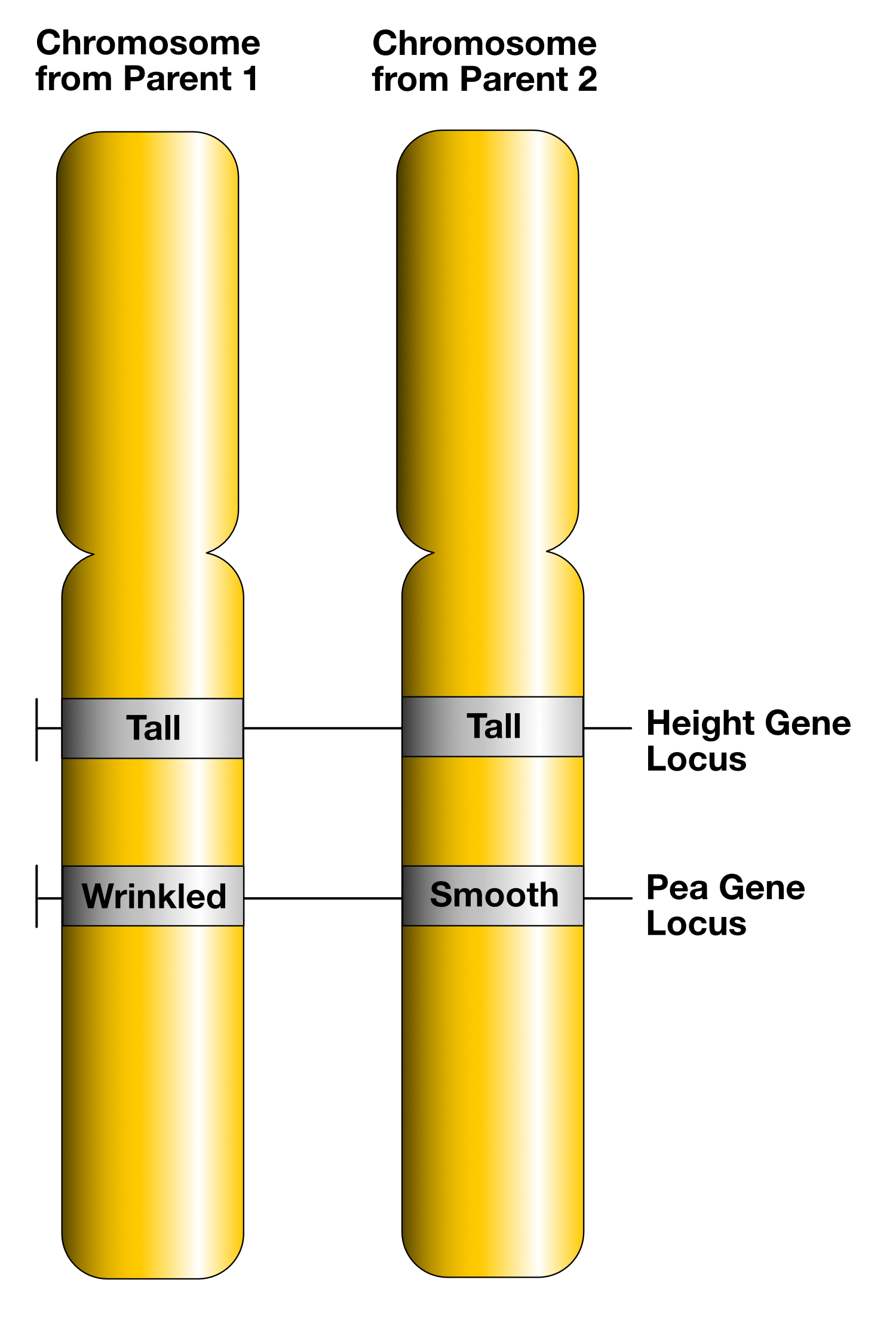
At the heart of every cell in your body lies a set of instructions—genes. These genes carry the information needed to build everything from the proteins in your muscles to the enzymes that digest your food. They’re located on chromosomes, and if you're a sexually reproducing organism, you inherit two copies of each gene—one from your mom and one from your dad. But these genes don’t always look or act the same. They come in different forms, called alleles.
Alleles: Nature's Versions of a Gene
Imagine genes as recipes in a cookbook. Alleles are like different versions of the same recipe. Maybe one version calls for chocolate chips in your cookie, while another version prefers raisins. Both recipes still make cookies, but the final product is slightly different. Similarly, alleles are variants of a gene that can result in different traits—like brown eyes or blue eyes.
If you inherit the same version of a gene from both parents, you're homozygous for that gene. If you inherit two different versions, you're heterozygous. Mutations, or changes in the DNA sequence, are what create these alleles. Some mutations don’t change anything about how the gene works, but others can alter the protein it makes, changing how traits are expressed.
Take the gene that determines blood type, for instance. In humans, this gene has three main alleles: IA, IB, and i. Your combination of these alleles decides whether your blood type is A, B, AB, or O.
 |
| Attribution: Keith Chan, CC BY-SA 4.0 <https://creativecommons.org/licenses/by-sa/4.0>, via Wikimedia Commons |
Dominant vs. Recessive Alleles
Now, not all alleles are created equal. Some are more "bossy" than others. A dominant allele will mask the effect of a recessive allele when they’re paired together. For example, if the allele for brown eyes (B) is dominant over the allele for blue eyes (b), a person with one of each (Bb) will still have brown eyes. The recessive allele only shows up if both copies are recessive (bb), giving the person blue eyes.
Multiple Alleles: When Genes Get Even More Diverse
Now, here’s where things get even more interesting. Some genes have more than just two possible versions. This is what we call multiple alleles. Although a person can only inherit two alleles—one from each parent—the larger population might have several versions of the gene floating around.
A great example of multiple alleles is the ABO blood group system. The gene that controls blood type has three different alleles: IA, IB, and i. Depending on which combination of these alleles you inherit, you could have blood type A (IAIA or IAi), B (IBIB or IBi), AB (IAIB), or O (ii). The IA and IB alleles are codominant, meaning if you inherit both, they each get expressed equally, giving you type AB blood.
This is also seen in the coat color of rabbits, where four different alleles can control the color and pattern of their fur. So, even though rabbits only have two copies of this gene, there are many more possible combinations in the population.
Polygenic Traits vs. Multiple Alleles
It’s important not to confuse multiple alleles with polygenic traits. Multiple alleles refer to different versions of the same gene, while polygenic traits are influenced by many different genes. A great example of a polygenic trait is human skin color, which is determined by several genes working together.
 |
| Attribution: Silar, CC BY-SA 4.0 <https://creativecommons.org/licenses/by-sa/4.0>, via Wikimedia Commons |
Pseudoalleles: Gene Look-Alikes
Now, let’s talk about something that might sound like a genetic trick—pseudoalleles. These are genes that behave like alleles of the same gene but are actually distinct from one another. How is that possible? It happens when two genes are located so close together on a chromosome that they seem to act as different forms of the same gene.
Picture two neighbors living in houses that are right next to each other. From far away, you might think they’re part of the same house because of how close they are. But when you get up close, you realize they’re actually separate houses with separate residents. That’s what happens with pseudoalleles.
A famous example comes from studies in fruit flies (Drosophila melanogaster). Researchers noticed that the genes responsible for certain eye color mutations behaved as though they were different alleles of the same gene, even though they were distinct genes. These genes were so close on the chromosome that they acted like one unit, leading to the discovery of pseudoalleles.
Complementation Tests: Solving Genetic Mysteries
To untangle whether two mutations are in the same gene or different genes, scientists use something called a complementation test. It’s like a genetic detective test. If two organisms with the same recessive mutation are crossed, the result will tell us whether the mutations are in the same gene or not.
Here’s how it works:
- You take two organisms, each with a recessive mutation that produces the same abnormal trait.
- You cross them and look at the offspring. If the offspring have the wild-type (normal) trait, the mutations complement each other, meaning they’re in different genes. If the offspring show the mutant trait, the mutations are in the same gene.
For instance, let’s say you have two fruit flies, both with white eyes due to a recessive mutation. If you cross them and their offspring have normal red eyes, the mutations are in different genes. But if the offspring still have white eyes, the mutations are in the same gene, meaning there’s no functional copy to produce red eyes.
Why Are Complementation Tests So Important?
Complementation tests are an essential tool for geneticists. They help researchers figure out whether mutations are in the same or different genes, allowing us to map out how different genes work together. This has helped uncover the genetic basis of many developmental processes, metabolic pathways, and even human diseases.
For example, this method has been crucial in studying genetic disorders like cystic fibrosis and sickle cell anemia, helping scientists pinpoint the exact gene responsible for each condition.
Genes Aren’t Loners: They Work in Teams
The world of genetics isn’t simple, and genes don’t operate in isolation. Concepts like alleles, multiple alleles, pseudoalleles, and complementation tests reveal just how interconnected and complex genes really are. Alleles offer variation, multiple alleles introduce diversity, pseudoalleles challenge our understanding of what a gene is, and complementation tests help us uncover how genes function together.
As science continues to explore the genome, these ideas remain at the heart of understanding how life is inherited, expressed, and evolved. Whether it’s studying flies in a lab or decoding the genetics of human diseases, these concepts guide us as we navigate the vast genetic landscape.
Conclusion: The Marvel of Genetics
In the end, genetics is like a massive, interconnected puzzle. Each piece—whether it’s an allele, a pseudoallele, or the result of a complementation test—helps scientists understand how traits are inherited and how organisms grow, develop, and function. By continuing to explore these genetic concepts, we not only deepen our understanding of biology but also open doors to advancements in fields like medicine, agriculture, and biotechnology. The more we know about genes, the more we can harness this knowledge to solve real-world problems, from curing diseases to engineering more sustainable crops.
This is the beauty of genetics—it’s not just the study of life, but the key to shaping its future.